
Handmade clay roof tiles are individually formed and kiln-fired using methods that have changed little in generations, which is why they remain the standard choice for listed buildings, conservation areas and period homes where a new roof has to match old work. They carry the subtle variation in colour and shape that historic roofs have, they can last well over 100 years when laid correctly, and they satisfy most conservation officers who insist on a like-for-like material.
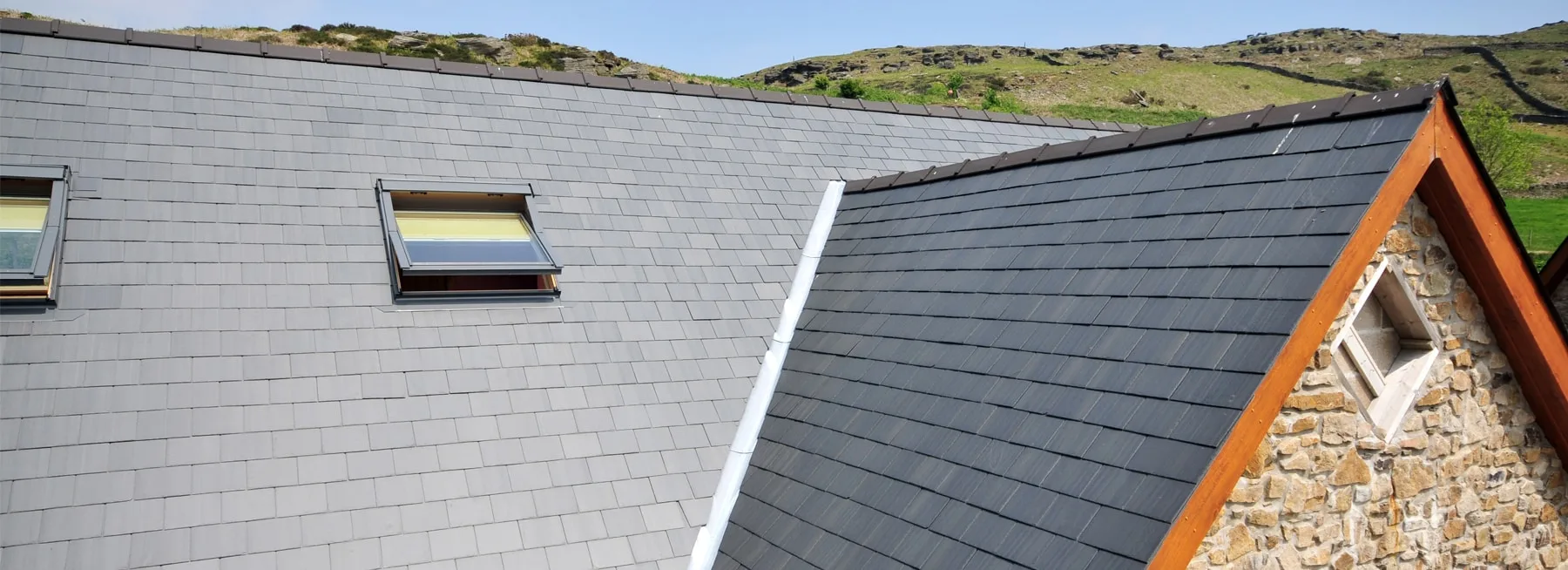
Why handmade clay tiles suit heritage and period work
On heritage and conservation projects, appearance matters as much as performance. Every handmade tile is formed and fired on its own, so no two are quite identical. Those small differences in colour, camber and texture are not faults. They are exactly what lets a new roof sit comfortably next to a 200-year-old one instead of looking flat and machine-stamped.
Planning authorities and conservation officers often require roofing that closely matches the original fabric of a building, and handmade clay is usually the material they have in mind. That makes it a sensible first choice for:
- Listed buildings
- Properties inside conservation areas
- Period homes, oast houses and farmhouses
- Extensions and additions to traditional buildings
Get the profile and finish right and you keep the planners happy and the client happier.
Handmade vs machine-made clay tiles: what is the difference
Both are made from clay and both are fired, so the raw material is the same. The difference is in how they are shaped. Machine-made clay tiles are extruded or pressed to tight, repeatable dimensions, which gives a uniform, regular roof and lets them be laid at slightly lower pitches. Handmade tiles are shaped by hand, so they vary from tile to tile and give the roof depth and movement that machine tiles cannot copy.
That variation is the whole point on heritage work, but it does change how the tiles behave on the roof. Here is the short version:
| Factor | Handmade clay | Machine-made clay |
|---|---|---|
| Appearance | Irregular, characterful, matches historic roofs | Uniform and consistent, cleaner modern look |
| Dimensional tolerance | Looser, tiles vary slightly | Tight and repeatable |
| Typical minimum pitch (plain tiles) | Around 40 degrees | Down to 35 degrees |
| Cost per thousand | Higher | Lower |
| Best suited to | Listed and conservation work, period homes | New builds and general residential roofs |
Neither is better in the abstract. For a farmhouse re-roof in a conservation area you want handmade. For a straightforward new build you may not need to pay for it. We stock both clay and concrete tiles, so bring us the job and we will help you weigh up cost and lifespan against the look you are after.
How long do clay roof tiles last
Lifespan is one of the strongest arguments for clay. Laid and maintained properly, handmade clay tiles can last well over 100 years, comfortably outliving the fixings and often the battens beneath them. It is common to strip a Victorian roof and find a good proportion of the original tiles still sound enough to reclaim.
Clay is naturally resistant to frost, UV and general weathering, and it holds its colour rather than fading the way some pigmented materials do. It does not corrode and it will not lose a surface coating, because the colour runs right through the fired clay. For any project where authenticity and long service life matter, that durability is hard to argue with.
What is the minimum pitch for clay roof tiles
For handmade clay plain tiles the practical minimum is usually around 40 degrees. BS 5534, the code of practice for slating and tiling, sets that higher figure because the natural variation in handmade tiles puts them outside the geometric tolerances that would otherwise allow a 35-degree pitch. Machine-made plain tiles that do meet those tolerances can be laid down to 35 degrees.
Interlocking clay tiles are a different case. Their overlapping edge lets them shed water at lower angles, so they can typically be laid down to about 30 degrees, and some low-pitch interlocking designs go lower still. If your roof sits near or below these figures, the pitch drives the tile choice, so it is worth checking before you specify. Our team can talk through the options for your pitched roofing project and confirm what will pass.
Breathability and moisture management
Older buildings were built to let moisture move through the structure rather than trap it. Clay tiles work with that principle. Paired with a suitable breathable membrane, a clay roof lets water vapour escape instead of holding it against the timbers.
Handled correctly, that breathable build-up helps:
- Reduce condensation forming in the roof space
- Keep rafters and battens dry
- Lower the risk of rot and decay over time
Ventilation and membrane choice have to suit the specific roof, so on solid-wall period properties in particular it pays to get the detail right rather than assume a standard modern build-up will do.
Clay tiles for listed buildings across Sussex and Kent
The South East has a lot of the building stock that handmade clay was made for. Sussex and Kent are full of tile-hung cottages, oast houses, weatherboarded farmhouses and Victorian terraces, much of it inside conservation areas or individually listed. Re-roofing that stock without an approved like-for-like tile is a quick way to a refused application.
Brian Gow Roofing Supplies has been supplying roofers and homeowners across Kent, Surrey and Sussex since 1996, and matching tiles for heritage work is bread and butter for us. We can help identify what is already on a roof, source a handmade tile that reads correctly against it, and supply the matching ridges, hips and fittings so the finished job looks of a piece. You can collect from our Hailsham depot, browse our Sussex roofing supplies, or arrange delivery across the South East.
Getting the right tiles, gauge and fittings
Handmade clay rewards experience. Matching an existing roof, setting the correct gauge so the coursing lines up, and choosing compatible ridge and hip tiles all make the difference between a roof that looks right and one that looks patched. Getting the fittings wrong is expensive to put back.
That is where a specialist merchant earns its keep rather than a general builders’ yard. Bring us the details of the job, or a sample tile if you have one, and we will advise on tile, gauge, layout and fittings before you commit. When you are ready to price it up, get a quote or call your nearest branch and we will sort the rest.
Frequently asked questions
What are the benefits of handmade clay roof tiles?
Handmade clay tiles give a roof authentic character, with the subtle variation in colour and shape that historic buildings have. They last well over 100 years, resist frost and UV, hold their colour because it is fired through the clay, and are usually the material conservation officers accept for listed and period properties.
How long do clay roof tiles last?
Correctly laid and maintained, clay roof tiles can last well over 100 years. Clay resists frost, UV and weathering and does not lose surface colour, so the tiles frequently outlast their fixings and battens. When an old roof is stripped, many original clay tiles are often sound enough to reclaim and reuse.
Are handmade clay tiles suitable for listed buildings?
Yes, they are usually the preferred choice. Conservation officers and planners generally require a like-for-like material on listed buildings and in conservation areas, and handmade clay closely matches the look of historic roofs. Using the correct profile and finish, and matching the existing tile, helps a re-roofing application gain approval.
What is the difference between handmade and machine-made clay tiles?
Both are fired clay. Machine-made tiles are pressed to tight, uniform dimensions for a regular roof and can be laid at slightly lower pitches. Handmade tiles are shaped individually, so they vary from tile to tile and give a roof depth and character. Handmade suits heritage work; machine-made suits general residential and new-build roofs.
What is the minimum pitch for clay roof tiles?
Handmade clay plain tiles are usually laid at a minimum of around 40 degrees, because their natural variation falls outside the tolerances that let standard machine-made plain tiles go to 35 degrees. Interlocking clay tiles can typically be laid down to about 30 degrees, with some low-pitch designs going lower. Always check pitch before specifying.